|
 |
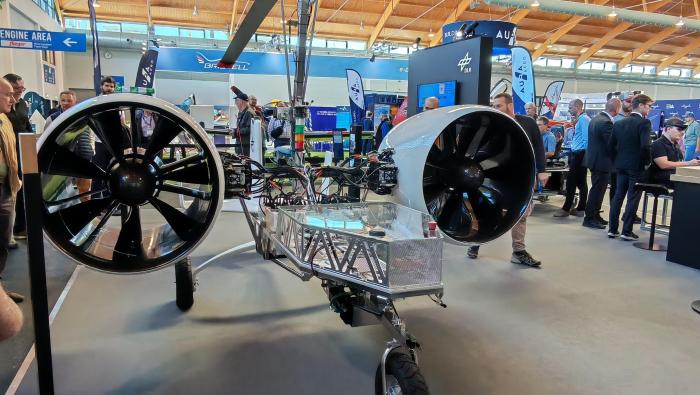 Germany's DLR aerospace research agency is preparing to conduct flight testing of vibrational anti-icing technology as it works to finish the project this year. The piezo-electric anti-icing application is initially being targeted towards ducted-fan propeller blades, but DLR has concluded it could also benefit a wider variety of aircraft. |
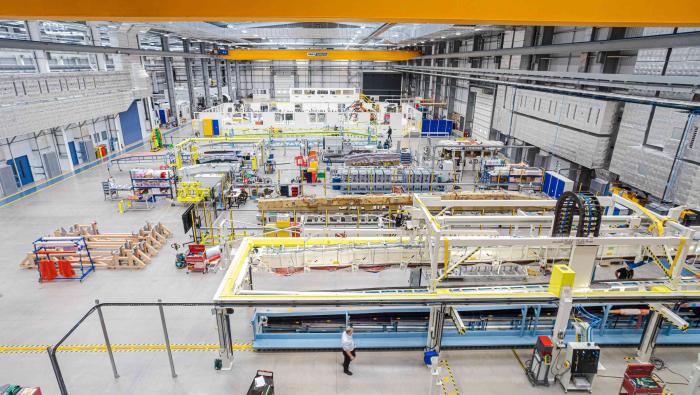 GKN Aerospace and the University of Nottingham are forming a joint venture to exploit motor technology advanced through the H2Gear hydrogen propulsion research and development program. UK-based HP Drive Technologies will pursue applications in aerospace and other industries such as wind turbine energy production. |
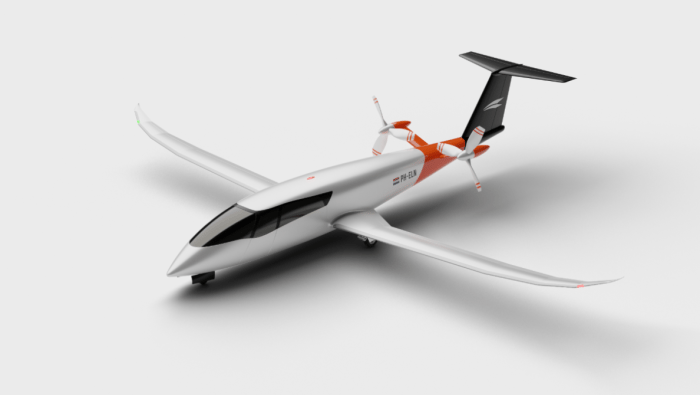 Dutch startup Electron is fundraising to build a full-scale flying prototype of its all-electric E5 Albatross aircraft. The non-type-conforming aircraft will include recent design revisions and is expected to make its first flight in 2027. |
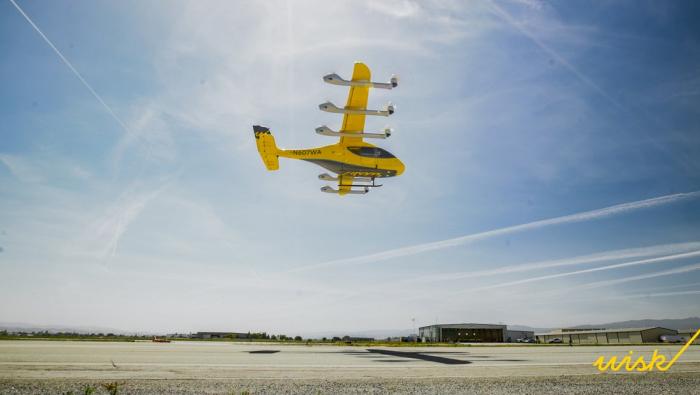 Wisk Aero’s second flight test aircraft has taken to the skies for the first time, less than two months after being rolled out from the company’s hangar in Hollister, California. The latest so-called ‘Gen 6’ prototype will now join its original sibling in an ongoing autonomous flight test campaign, the company confirmed this week. |
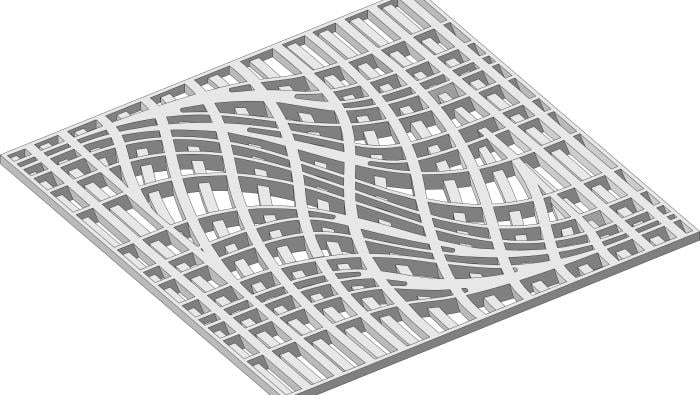 Skyportz has released details of how the Australian start-up says its Aeroberm technology will solve vertiport development challenges, such as hazardous downwash and outwash from eVTOL aircraft rotors, noise, and lithium-ion battery fires. At presentations on May 5 to both the Vertical Flight Society Forum in the U.S. and the Rotortech show in Australia, the company released peer-reviewed research based on computational fluid dynamics analysis of how the Aeroberm vertiport structure dissipates energy from rotocraft. |
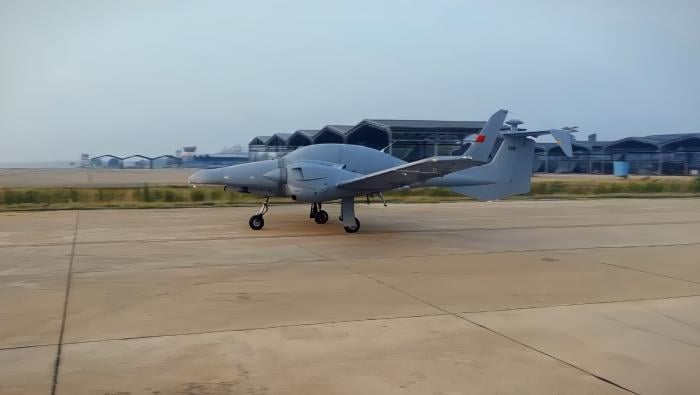 Uncrewed aircraft systems specialist Aeronautics is doubling the size of its production capacity as it responds to unprecedented demand for expanding drone missions. According to the Israeli company’s CEO, Dan Slasky, its focus is on providing versatile solutions bridging the gap between adaptations of lower-cost, but less-resilient, commercial drones and larger, more costly military platforms. |
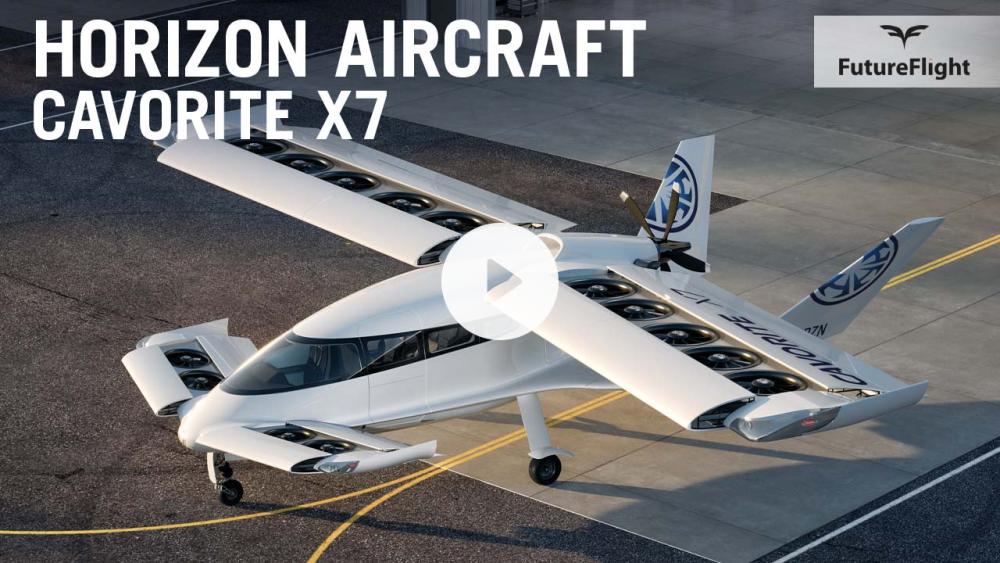 Horizon Says Cavorite X7 Hybrid-electric Aircraft Is a Different Approach to VTOL Flight |
|
 May 21 - 23, 2026