|

 |
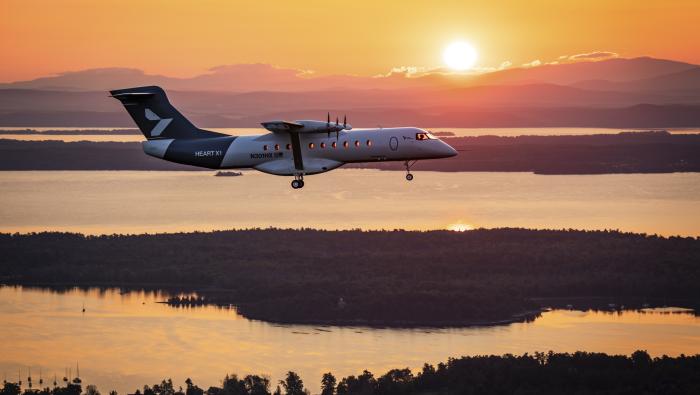 Heart Aerospace has completed the inaugural flight of its X1 technology demonstrator aircraft, which the start-up said is the largest battery-electric aircraft ever flown. The milestone—which lasted a total of 27 minutes—took place on August 12 from California-based Heart’s flight-test base at New York’s Plattsburgh International Airport. |
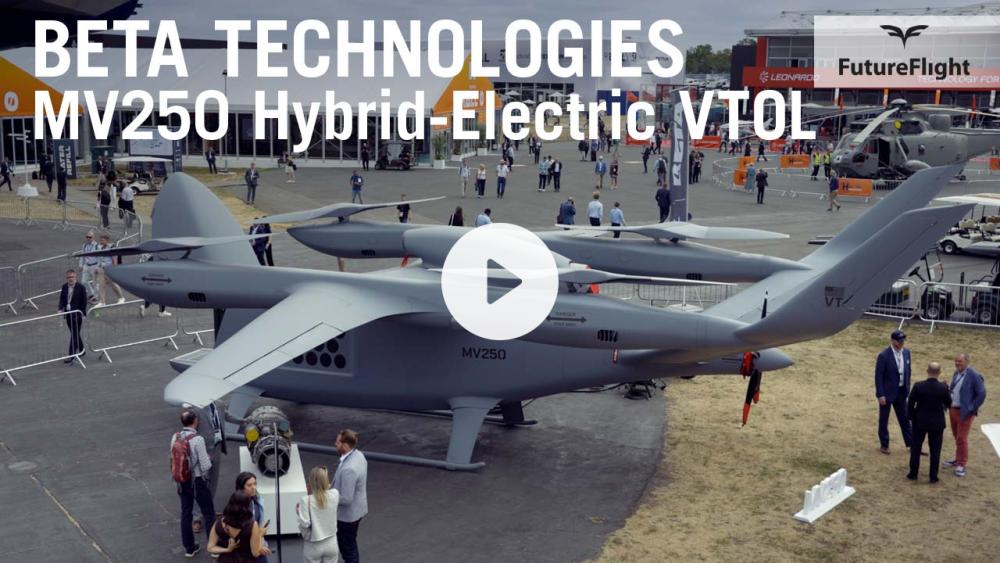
 Beta Technologies has built a business selling motors, batteries, propellers, and flight control computers to other aircraft manufacturers, several of which compete directly with the electric airplanes Beta is still working to certify. Component sales, alongside charging hardware and engineering services, help explain a quarter in which Beta reported revenue of $14.7 million—above its own guidance range of $8 million to $11 million and 146% higher than the $6 million it recorded a year earlier. |
 |
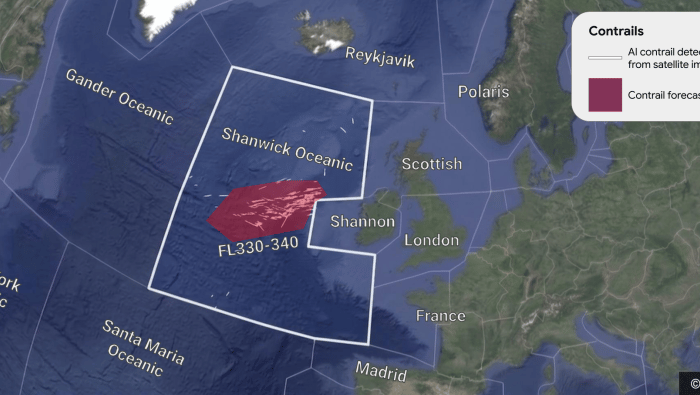 A UK-based consortium has launched what it believes is the world’s first oceanic airspace-scale trial aimed at reducing the climate impact of aviation contrails. Initiated on August 18, the 30-month project will run two operational trials across the eastern North Atlantic’s Shanwick airspace, during which selected commercial flights will be redirected above or below particular “contrail hotspot” areas. |
 Electra has conducted a series of hybrid-electric demonstration flights connecting airports in Virginia, New Jersey, and Pennsylvania, in one of the first rounds of testing under the FAA’s eVTOL Integration Pilot Program. The route connected Washington Manassas Airport—Virginia’s largest general aviation airport and home of Electra’s headquarters—with New Jersey’s Millville Executive Airport and the former Atlantic City Bader Field, Northeast Philadelphia Airport, and Philadelphia International Airport. |
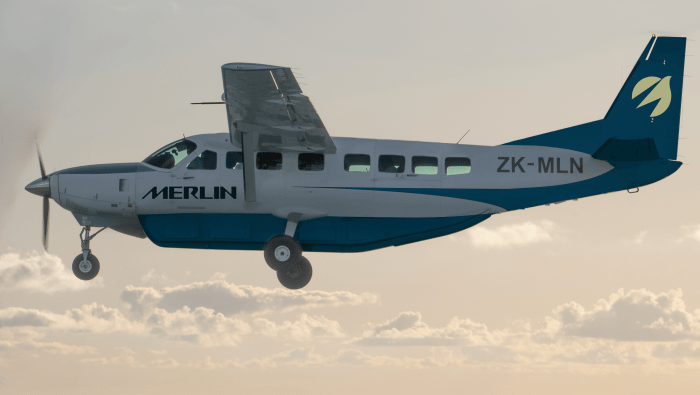 Few obstacles in autonomous flight have proved more stubborn than persuading regulators to accept artificial intelligence in a safety-critical role. Merlin now says New Zealand’s civil aviation authority has settled on how the company must prove that its AI can safely communicate with air traffic control. Quarterly results Merlin reported on August 13, however, show a start-up still far from turning its technological progress into a profitable business. |
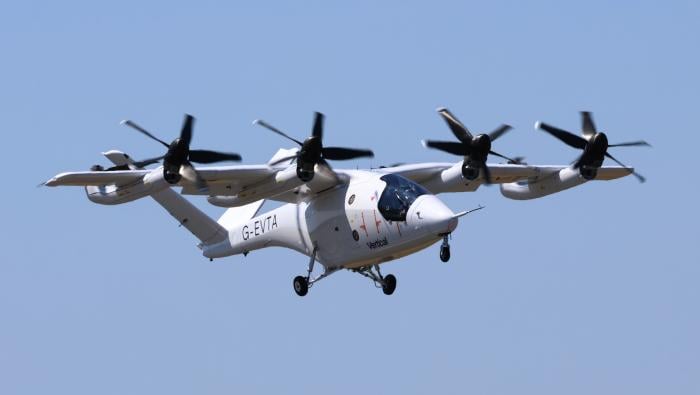 Vertical Aerospace is pressing ahead with its financially lean approach to bringing its Valo eVTOL aircraft to market, having confirmed that it has sufficient cash to support work through the third quarter of 2027. Reporting half-year results on August 13, the UK start-up said it expects to spend another $150 million over the next 12 months and, with new capital pending from investment commitments, it expects to have $148 million available soon. |
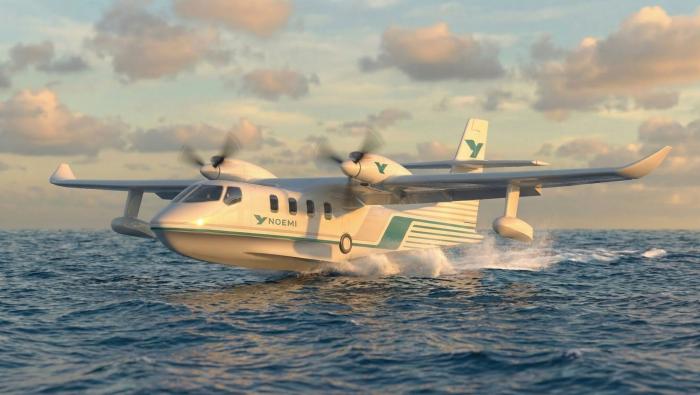 India’s largest helicopter operator, Pawan Hans, has confirmed plans to launch seaplane operations, having this week signed a memorandum of understanding that could lead to an order for the electric amphibious aircraft being developed by Noemi Aerospace. The Norwegian start-up—which was formerly known as Elfly—announced the agreement on August 10 and is expected to disclose another Indian partner in the coming days. |
|
|
|
 August 25 - 26, 2026