|

 |
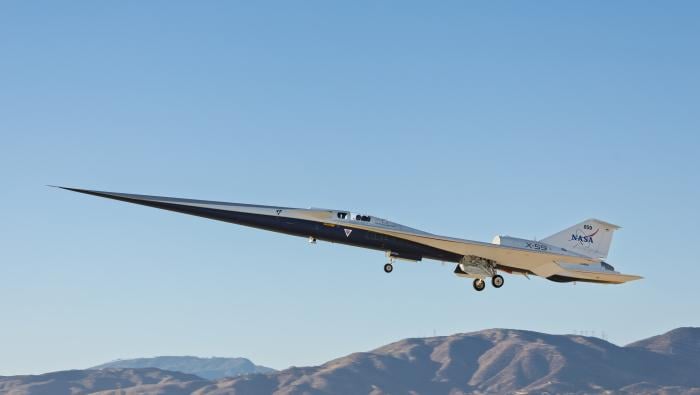 NASA’s X-59 quiet supersonic technology (Quesst) demonstrator notched its first test flight yesterday morning over Southern California. According to flight tracking data available on Flightradar24, the experimental supersonic aircraft, registered N859NA, took off from Palmdale Regional Airport (KPD) at 8:14 a.m. PST and headed northeast toward Edwards Air Force Base. It circled over the base in a racetrack pattern for about an hour before landing at NASA’s Armstrong Flight Research Center in Edwards at 9:21 a.m. |
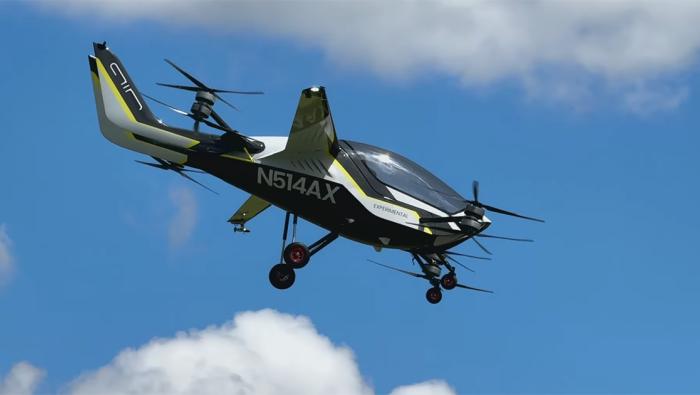 An uncrewed eVTOL aircraft prototype built by Israeli start-up Air crashed on October 23 in South Florida, according to the NTSB, which has opened an investigation into the accident. According to an NTSB statement, the aircraft was “consumed by post-crash fire” when it crashed for unknown reasons in a field near the rural community of Indiantown, Florida, about 40 miles northwest of West Palm Beach. No injuries were reported. |
 |
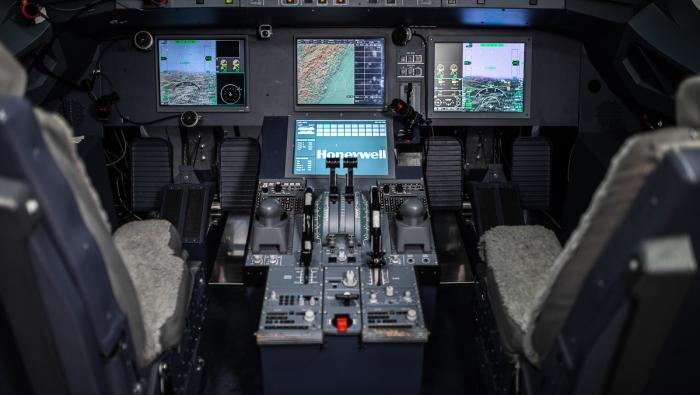 Honeywell Aerospace recently launched its Alternative Navigation Architecture software solution, designed to ensure resilient navigation in environments where satellite signals may be spoofed, jammed, or inaccessible. Although the group has been developing methods to support non-GPS navigation for around a decade, the latest technology responds to a growing threat to aviation safety and security. |
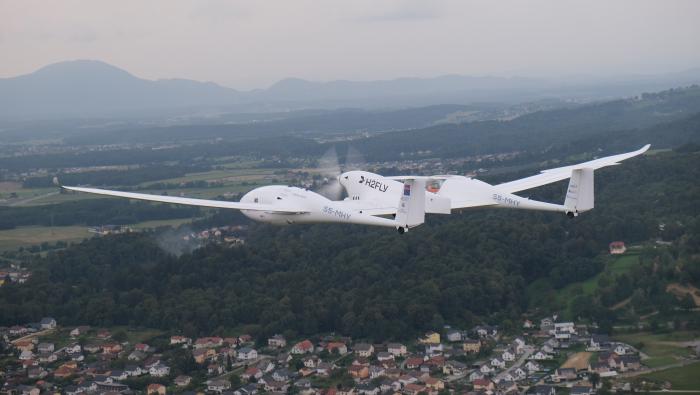 H2Fly is preparing to resume flight demonstrations with its hybrid-electric propulsion technology in 2026 or 2027 as it seeks to transition from research work to technology partnerships that could result in market-ready applications. The German company’s CEO, Ralph Müller, told AIN that his engineering team is also working on proof of concepts for a variety of key components as it seeks to scale up the equipment it first demonstrated in September 2023. |
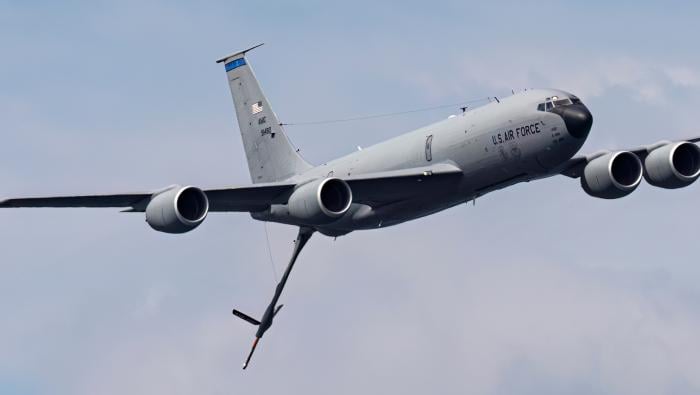 Autonomous flight systems developer Merlin has signed a cooperative research and development agreement with the U.S. Air Force to advance contingency management capabilities in next-generation uncrewed aircraft systems, the company announced on October 22. It has also completed the second stage of the certification process for its autonomous flight control technology with the Civil Aviation Authority of New Zealand. |
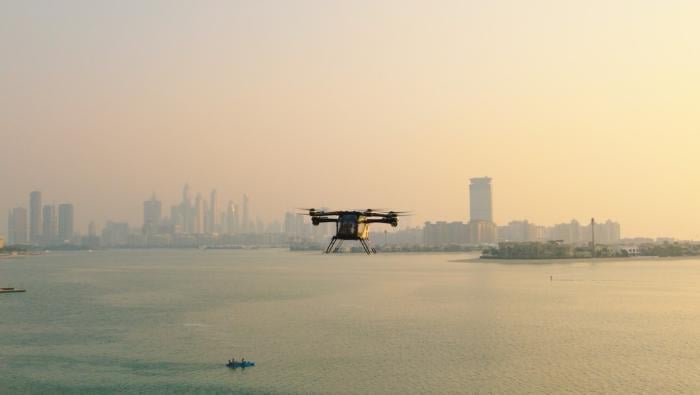 While conducting a recent demonstration event that included flying the aircraft portion of its Land Aircraft Carrier in Dubai, Xpeng AeroHT signed purchase agreements for 600 of the eVTOL aircraft and car combination. The aircraft consists of the X3-F air module and a six-wheeled van-like ground vehicle that carries the X3-F to suitable locations for flight. China-based Xpeng manufactures electric cars. |
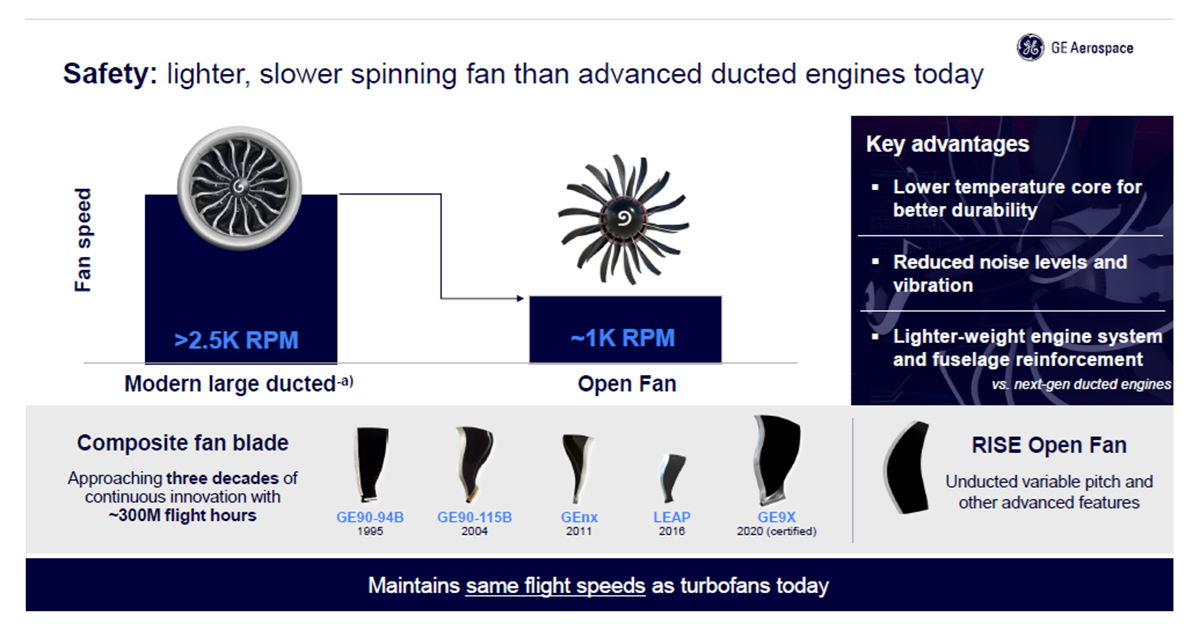 CFM ADDRESSES BLADE-OUT RISK IN OPEN FAN ENGINES The open-rotor engine and its evolution, the open fan, promise dramatically lower fuel consumption compared with evolutions of the ducted fan engine. Open rotor testing in the 1980s proved noisy, offered slower cruising speeds than conventional jet engines, and caused problematic vibrations. Questions about maintenance and concerns over blade failure were paramount. According to the developers of the open fan—GE Aerospace and Safran, under the CFM International brand—objections to the open-rotor design have now been overcome. |
|
|

|
 November 3 - 4, 2025