|

 |
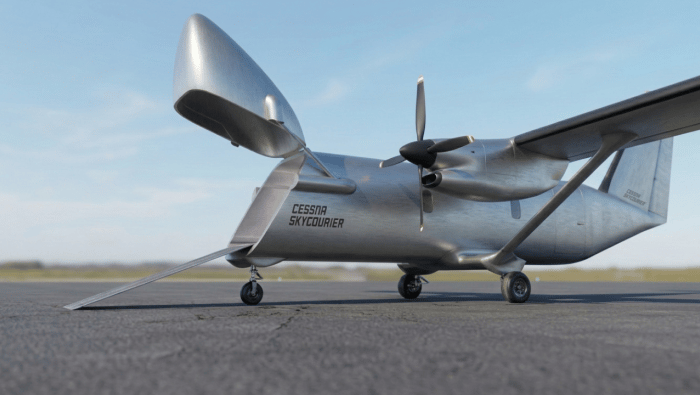 Textron Aviation and Merlin this week unveiled a concept for an autonomous cargo airplane based on the Cessna SkyCourier, proposing to replace the cockpit with a nose cargo door and hand flying duties to Merlin’s autonomy software. The companies have produced a design study of what they are calling the Cessna SkyCourier UX and displayed a model at the Air, Space and Cyber Conference in National Harbor, Maryland, on September 14. |
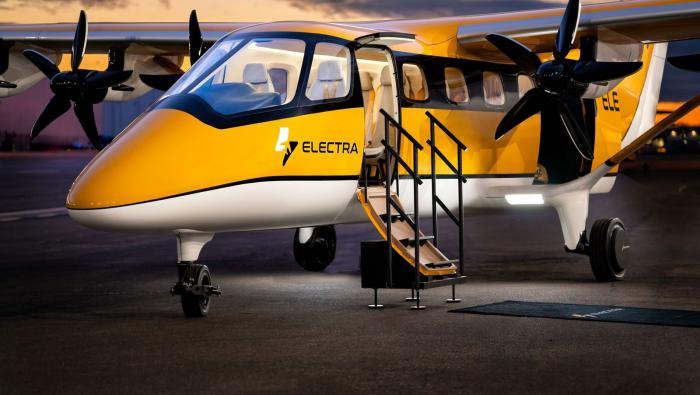 Electra has reached agreement for the Atlas to manufacture and assemble airframes for early examples of its EL9 Ultra Short hybrid-electric aircraft. Under a partnership announced on Tuesday, the companies said work will begin this month at Atlas' facilities in Wichita with the first prototypes of the nine-seater to be delivered in 2027, when flight testing is due to begin. |
 |
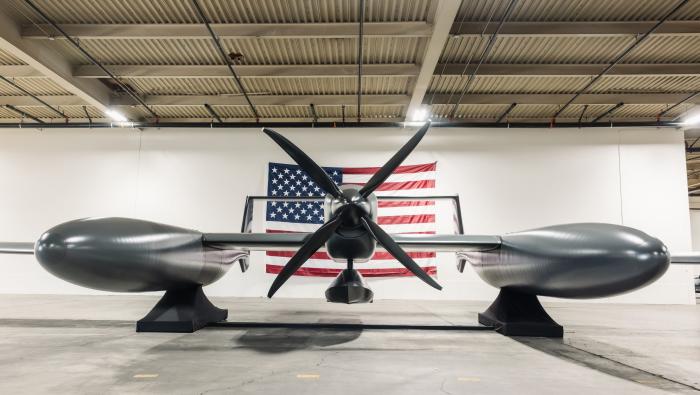 Swarm Aero has unveiled its contender for the U.S. Air Force’s Massed Modular Aircraft requirement for a new-generation, large, long-range uncrewed aircraft system (UAS). At the Air & Space Forces Association’s Air, Space & Cyber conference on Monday, the start-up introduced the Gamera drone, which it claims will deliver a tenfold reduction in cost per effect than current platforms such as the General Atomics MQ-9A Reaper. |
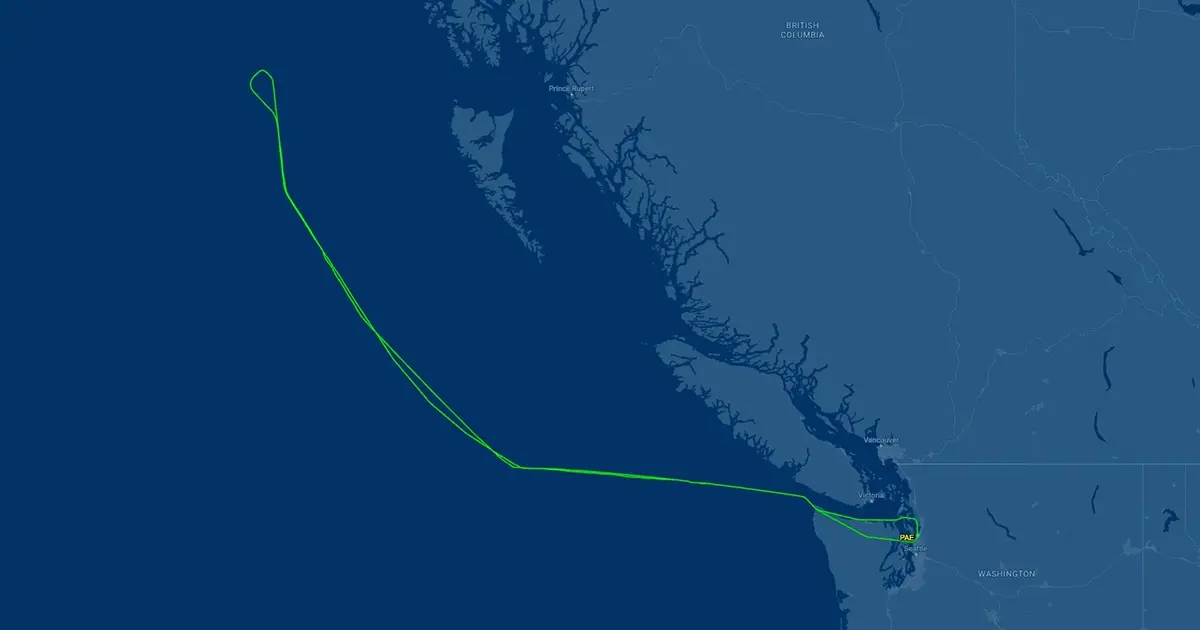 Honeywell Aerospace and the Defense Innovation Unit (DIU) have completed a flight test of a quantum-sensor-based navigation system. Flying under DIU’s MagNav magnetic navigation program, Honeywell’s Embraer 170 test airplane made a round trip from Everett Paine Field (KPAE) north of Seattle to the Gulf of Alaska. Without using satellites, the quantum-sensor system delivered position accuracy 89% better than conventional backup navigation would have achieved, DIU said. |
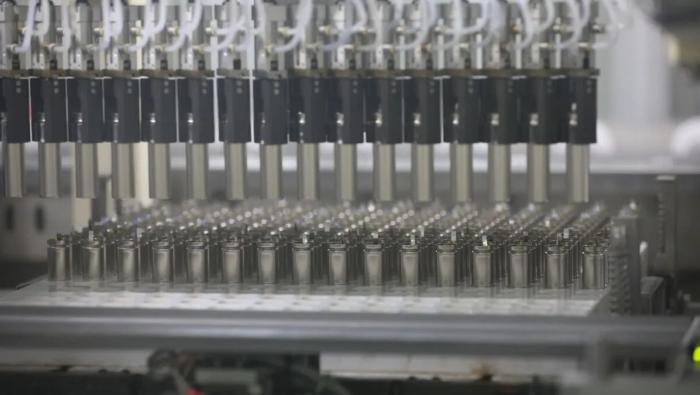 Amprius Technologies plans to begin selling a 500 Wh/kg silicon-anode battery cell in the fourth quarter of this year, the first time the company has offered its highest energy density on a cell that outside factories can build with standard lithium-ion equipment. The second-generation SiCore cell delivers 500 Wh/kg at a 1C continuous discharge rate, Fremont, California-based Amprius said on September 2. |
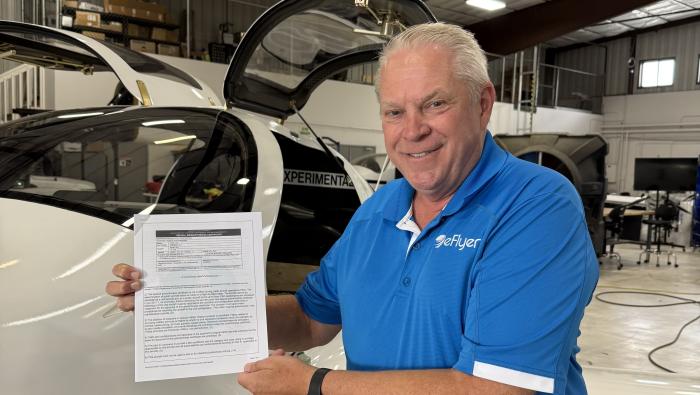 Bye Aerospace is a step closer to the first flight of its electric eFlyer 2 training airplane, having received a special airworthiness certificate from the FAA. Special airworthiness certificates are issued to enable flight testing of aircraft before they qualify for a standard airworthiness certificate. The Bye Aerospace certificate was issued under the experimental category, designated for research and development. |
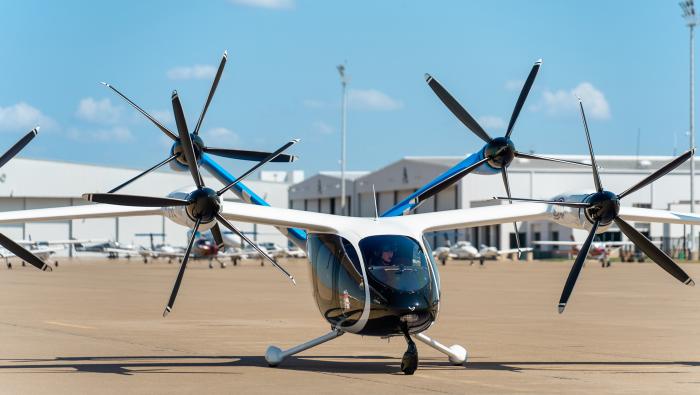 Joby Aviation began a week of electric air taxi demonstration flights across the Dallas-Fort Worth area on September 10, the first flights in Texas under the FAA’s eVTOL Integration Pilot Program. The schedule takes the aircraft into controlled airspace at Dallas-Fort Worth International, over the Fort Worth Stockyards to Arlington, and out to Toyota’s campus in Plano. |
|
|
|
 September 29 - 30, 2026