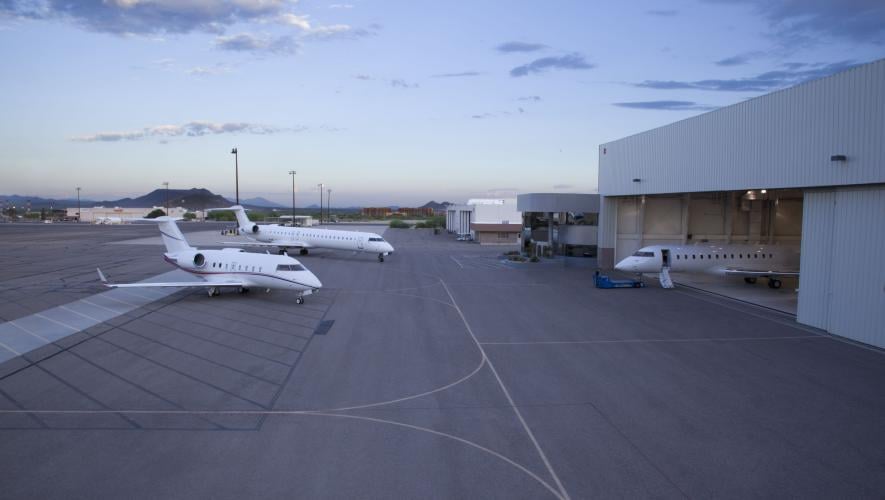
The recession’s lingering effects may prompt operators to consider storing their aircraft until conditions improve. That can make sense if the object is to slash costs and to avoid selling the airplane while prices are depressed. But there is a risk in storing aircraft for more than about 30 days that must be considered: an unused aircraft can deteriorate, which can have safety as well as financial implications.
All business aircraft and engine manufacturers have established storage maintenance procedures for their products. And if those procedures aren’t followed, expensive engine bearings, electronics and components could suffer damage.
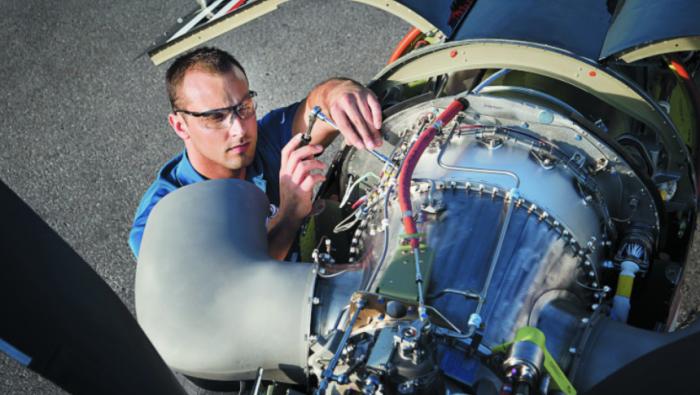
The greatest risk is to an aircraft’s turbine engines, according to Rich Schuller, founder of Scottsdale, Ariz. consultancy Sextant Advisory. The bearings that support their main shafts are made of hardened steel, usually a variant called M50. As long as M50 bearings remain properly lubricated, they can withstand extremely high temperatures while the engine spins tens of thousands of times per minute. But the only way to keep these bearings lubricated is to spin the engines, either by running them on the ground or flying the airplane.
More In Maintenance and Modifications