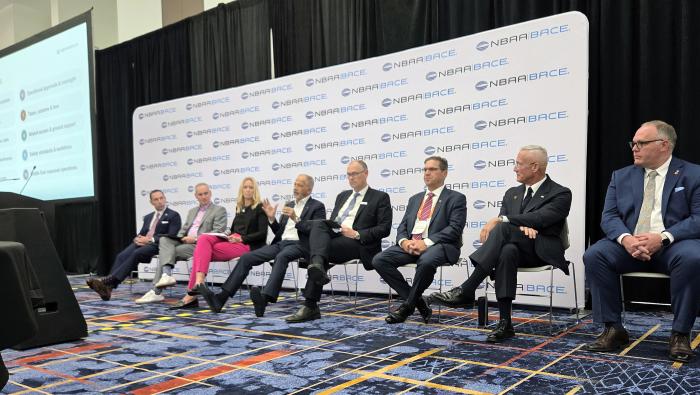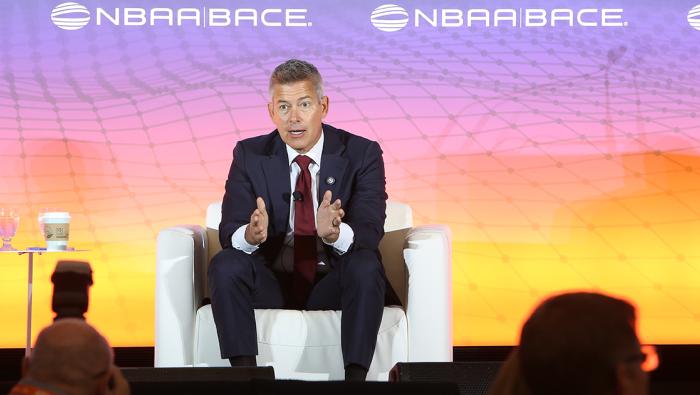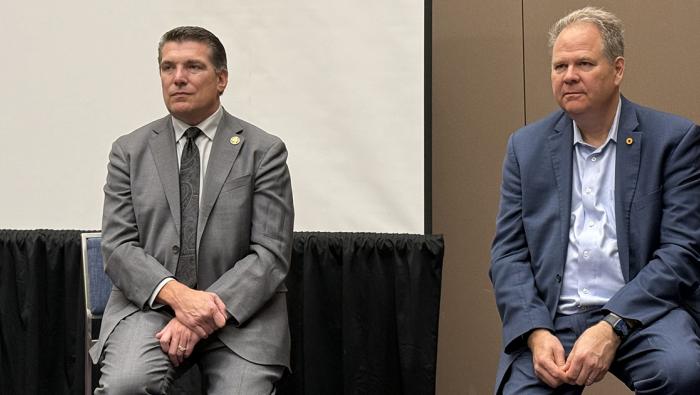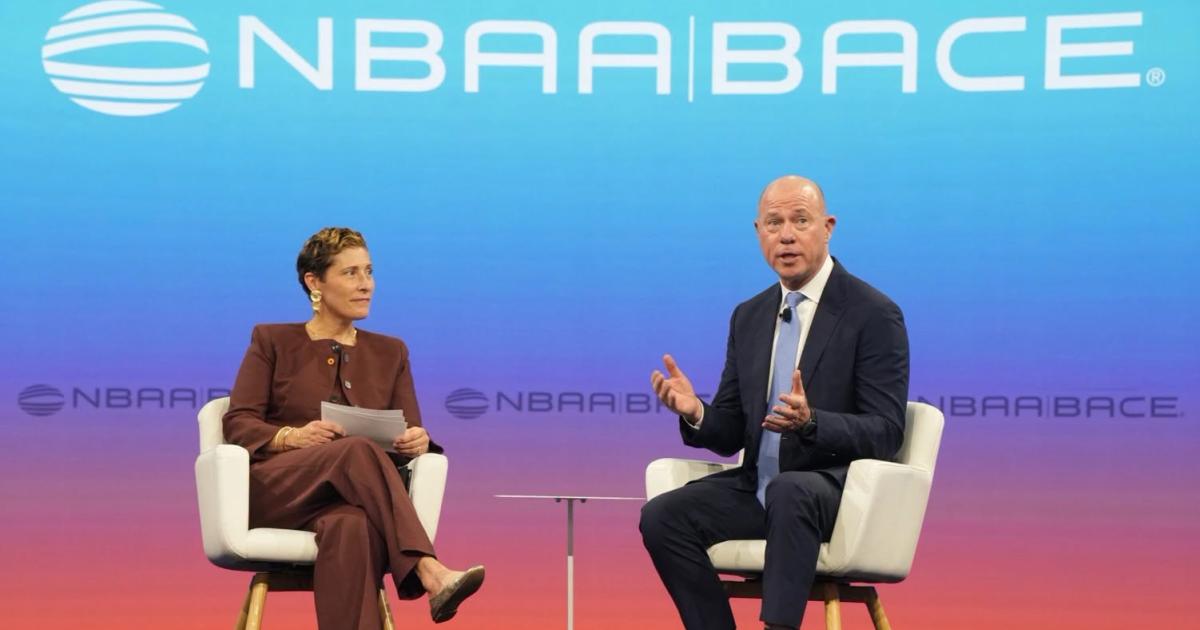
FAA Administrator Bryan Bedford remains open to continuing discussions on the agency’s decision to revoke exemptions that permitted single-pilot operations in a range of Textron Aviation’s older Part 25 Cessna Citation light jets. Speaking during a Meet the Regulators session last week at NBAA-BACE, Bedford said, “Of course, we can continue the dialogue,” conceding that “maybe we could have done better working with industry” on the issue.
He also agreed that the decision appeared sudden, but maintained it was based on years of data. On September 25, the agency placed a notice on public display that it intended to rescind single-pilot exemptions for these twinjets and then formally published that notice three days later, making it effective on September 29.
The now-revoked exemptions applied to Citation I, II (and its Navy T-47A variant), S/II, Bravo, V, Ultra, Encore, and Encore+ models. Business and general aviation groups have appealed to the FAA to put the notice on pause, saying it takes an “all-or-nothing” approach that punishes both compliant and noncompliant operators.
Kristie Greco Johnson, NBAA’s senior v-p for government affairs—who interviewed Bedford during the Meet the Regulators session—noted that industry leaders are continuing discussions on the issue with FAA Flight Standards officials.
“We all stress that collaboration is key to safety and that open dialogue is important,” Greco Johnson said. “We are working closely with the Citation Jet Pilots Association and believe that there’s some compelling data that might provide a path to allowing single-pilot operations with some training and with [a supplemental type certificate (STC)].” Some other countries have used that process, and that’s worthy of scrutiny, she said.
Bedford responded that the STC route is an interesting process, adding, “That provides a little more clarity, I think.”
He provided some background on the FAA’s decision, noting that when granting exemptions, the FAA asks whether there is an alternative that will provide an equivalent level of safety. “If it’s yes, then we can consider granting an exemption. If it’s no—no is no.”
In the case of the Citations, exemptions were given with “certain understandings that certain training would be given in a certain way, inspections would happen, [and] the type ratings would be maintained.”
But over the years, he contended, the FAA discovered compliance issues, including with training organizations. “They simply weren’t fulfilling those obligations.” He added that NTSB data shows the accident record for single-pilot Citations flown under the exemption was more than twice that for two-pilot operations.
More In Regulations and Government