As Bombardier continues to strengthen its balance sheet and lower its debt, the company is freeing capital to invest in new and updated products. However, the company remains mum on when that may result in a new aircraft and what niche it is eyeing.
During its recent third-quarter financial call, Bombardier president and CEO Éric Martel told analysts that the company expects to generate “quite a bit of cash flow” in the next five to six years. “We have a very important conversation about our capital allocation, and we have optionality about what we’re going to be doing with this capital,” Martel said. “Overall, probably half of our capital allocation would probably go to improving our products, being competitive, which could include a new airplane.”
Those decisions will not be made lightly, he continued. “We’re going to make that decision based on what our competitors are doing, what is our customer demanding, and also what new technology could be offered out there. Those are very long-term decisions.” Such a program could involve cash allocation, but Bombardier would look at a mix of financing, he said.
Later, Martel told reporters that in this industry, OEMs need to continually invest in products whether involving a completely new platform or an update/derivative to an existing platform.
This builds on earlier comments the Bombardier chief has made over the past couple of years about how the company’s moves to deleverage are providing flexibility to pursue such programs.
However, Rolland Vincent, president of Rolland Vincent Associates, noted that the company remains very clear on continuing its path of lowering debt and has a board watching this closely. Further, Bombardier continues to promise the investment community it will remain careful on capital allocation.
That being said, Vincent could see possibilities for upgrades in the shorter term. He stressed that he did not see this coming with the Challenger 650. That airplane stems from a nearly 50-year-old family and may have reached its potential, Vincent suggested. Instead, he pointed to the Challenger 3500, which Bombardier is having substantial success with at the moment, including backlogs that extend out up to four years with some operators. This could be a growth area, perhaps even a stretch.
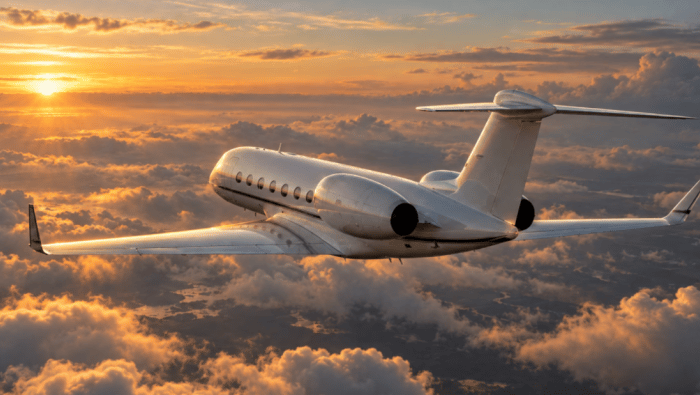
Another successful platform is its Global 8000, which just entered the market late last year as the fastest certified business jet at Mach 0.95. But with Dassault’s Falcon 10X in the offing, which will bring to market the largest business jet cabin and an array of new technologies, Bombardier may want to respond in that space, building on the Global 8000.
Meanwhile, Jefferies analyst Sheila Kahyaoglu agreed the next product would likely be a derivative rather than a clean-sheet platform. However, given the profitability of the Challenger 600 family, that could still be a space for improvement, and a new aircraft could fall between the 650 and Global 5500, she said, “with modifications and upgrades to the interiors and engines targeting range improvements. We would expect to hear more about this at their analyst day on Feb. 18, 2027.”
In this article
More In Aircraft