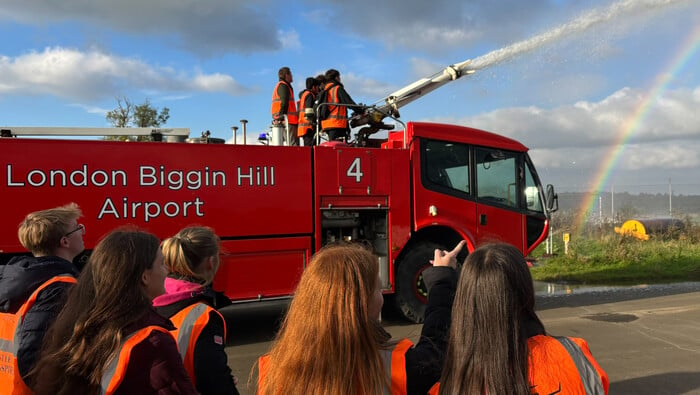
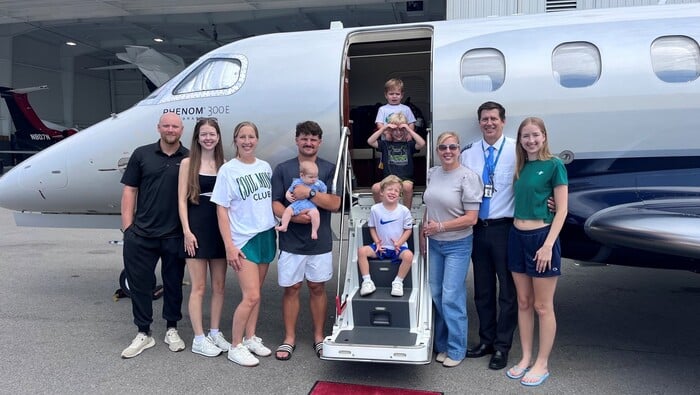
The Aircraft Owners and Pilots Association (AOPA) is celebrating the growth of its aviation STEM curriculum for high school students. According to the AOPA Foundation, more than 34,000 students across 1,700 U.S. high schools now have access to its program. Despite women making up nearly 11% of the U.S. pilot population, female students account for more than 20% of the program’s participants, the association says.
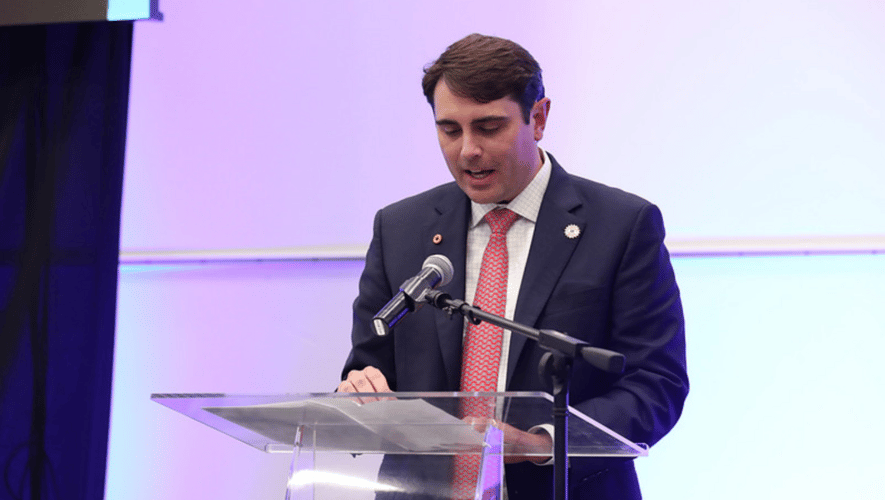
“For a long time, the way into aviation was knowing somebody or meeting a pilot at the airport,” said Dan Justman, AOPA Foundation aviation programs v-p. “Now, these students can learn about aviation, and the well-paying career paths it can offer, at school.”
The foundation’s aviation STEM curriculum launched in 2017 and has served more than 160,000 students. The program offers guidance toward pilot and drone operator careers but will expand to include a maintenance and manufacturing pathway as soon as 2028.
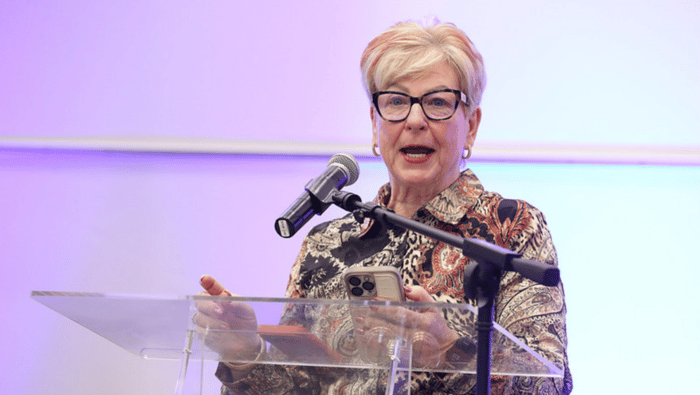
“For many schools, the cost of building a new program from scratch would keep the door to aviation closed,” said AOPA Foundation senior v-p Elizabeth Tennyson. “Our donors are the reason any school or district can implement this program and give these students life-changing opportunities they wouldn’t have otherwise.”
In November, the 12th annual AOPA Foundation High School Aviation STEM Symposium will be held in Phoenix, where hundreds of high school educators and administrators will gather to inform program development and reach.
“The symposium offers the unique opportunity for teachers who have used our curriculum for years to gain knowledge and sharpen their programs, while schools that are just getting started can learn what makes a program successful,” Justman said.
In this article
More In Training and Workforce