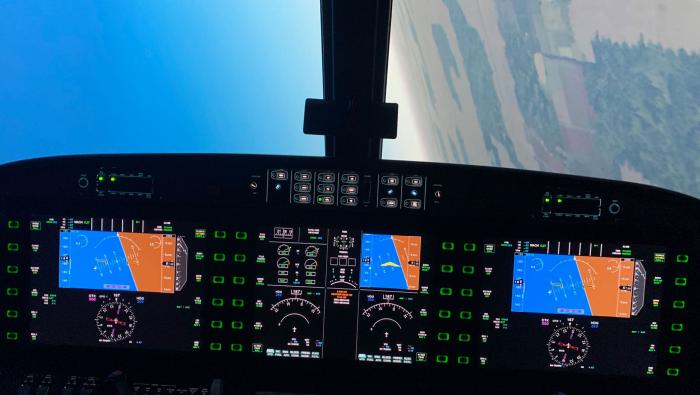
Flying a business air plane outside the U.S. isn’t all work. It’s also an adventure that offers U.S. pilots a chance to see how the other half–or actually the other 90 percent of the world–lives. Let’s be serious: Americans are spoiled by our own version of the aviation industry, such as when it comes to working the ATC system. A last-minute trip appears in Atlanta and we file a quick flight plan from our iPhones. Fifteen minutes later we’re on our way. In Europe, though, things don’t work quite so quickly. Slots are required for practically any kind of flight, except VFR. Want a quick primer on IFR flying in Europe? Think of the hassles associated with flying in and out of La Guardia on a bad day and you might be close.
A three-hour flight within the U.S. could take a business airplane from Los Angeles to Chicago. That same distance in Europe or South Asia could translate into the crossing of three or four different countries, each with many of its own local requirements. To the rescue of even the most well intentioned of crews comes ICAO, the International Civil Aviation Organization (www.icao.int), an arm of the United Nations. ICAO’s pragmatic mission is a simple one: ensure that the rules for international aviation are as standard as possible to prevent confusion, delays and accidents.
More In Safety