The NTSB, FAA, and industry must work together collaboratively to be able to move forward on lessons learned from accident investigations, stressed a senior official from the Safety Board.
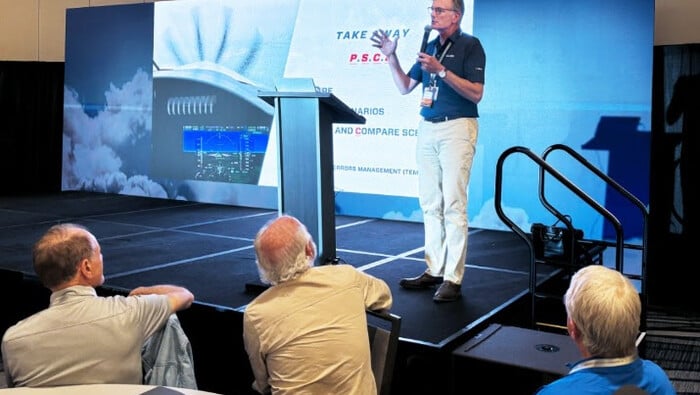
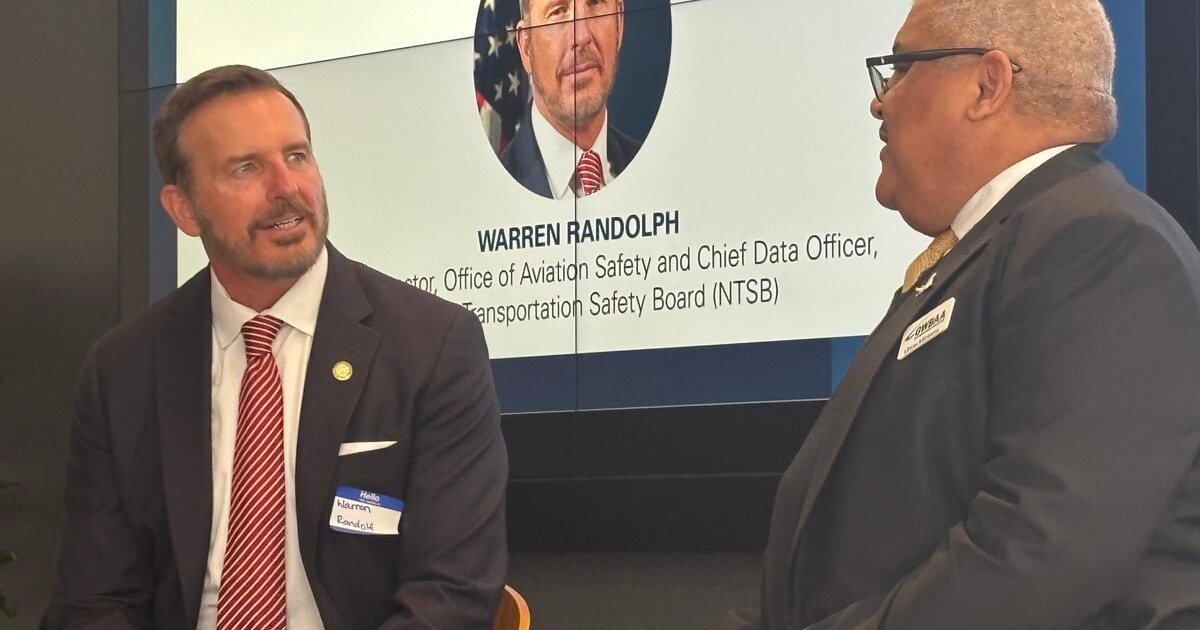
Speaking today during the Greater Washington Business Aviation Association 2026 Safety Day Warren Randolph—acting director of the office of aviation safety and chief data officer for the NTSB—noted that this was a key lesson learned from the spate of accidents occurring during the 1990s, when they were almost becoming normalized. “We made a determination that we have to come together,” he said during a fireside chat with GWBAA v-p Vincent Mickens.
Randolph conceded, “We do have our challenges,” including the different authorities that they must answer to and their agendas. But he noted that the government and industry were able to come together and focus on data to see where they could elevate safety.
This effort requires trust, he said. Critical to building that trust and enabling the government/industry model to provide benefits are information protections. “We needed protection so that organizations could feel that they would not be violated or there would not be enforcement action.”
Randolph pointed to efforts to that end, including advisory circulars and the Part 193 rulemaking. With trust, he added, “We’re continuing to evolve with that” and said that there is more that can be done around information protections.
He also noted the agency’s efforts to incorporate AI. “We have been working very diligently and cautiously,” he said. “We’re a safety organization, so we’re naturally risk averse.” But the agency is looking at how AI or “super intelligence” will be introduced in its workflows, Randolph continued.
The NTSB is in the early stages of implementing it where it makes sense, but Randolph added that a human will always be in the loop whenever it is used. “You are responsible for any product or service that you deliver where you use AI, and you must declare that it was used,” he said.
One example is using it for transcriptions with a language model focused on aviation. “Our scientists are responsible for ultimately validating that transcript.” Randolph also noted that the agency uses closed models to ensure any sensitive information is fenced off and remains out of the public domain.
NTSB, which is approaching its 60th anniversary next year, is looking at AI on how it can make the industry safer through the products and information it can provide. “We want to get this information to you,” he said, adding that this takes a “team sport” mentality. This includes access to information through its website.
“If we make sure that we get our investigative reports, findings, the dockets, the recommendations out there in a timely manner, you can bring that into your SMS [safety management system] environment. I’m committed to making sure that we’re getting our data out there. We’re going to do it more efficiently.”
The general aviation fatal accident rate has improved, Randolph said, and credited information sharing with playing a role in that trend. However, that curve is “flattening out a bit,” he added. “Where we’re headed with AI, information sharing, and collecting data, that’s going to be [the] way. We’re going to really start to drive that down.”
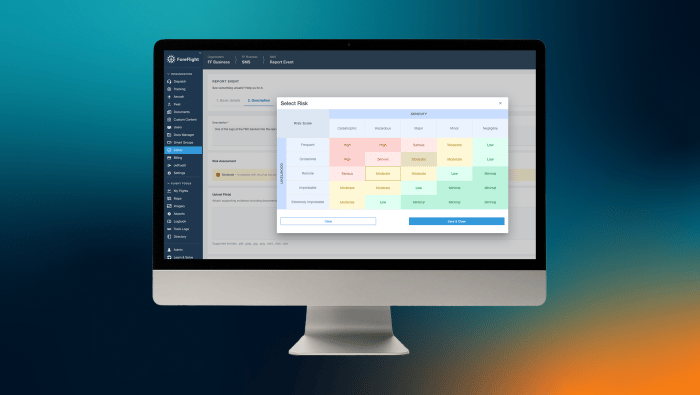
One such evolution is the NTSB’s online Carol program that provides a user dashboard to enable organizations to filter through the data to what they need, tailored to fleet, landing facility, or other specific areas.
He also spoke to the processes involved in the investigation of the Learjet 60 accident that occurred on Sunday. While he could not speculate, he did say that the NTSB is “still understanding what the debris field actually is.” This is particularly so since some components were located miles away.
The NTSB is further working with the FAA, air traffic control, and meteorologists to understand what an in-flight breakup may have looked like, “if that’s indeed what happened.” It is exploring the convective weather in the environment. “We’re still trying to understand that.”
The agency is working on the impact site cautiously because of the contamination there. Board member Tom Chapman is on site, along with data scientists, the investigation team, and family assistance specialists. The NTSB is further partnering with the FAA, the operator, Bombardier, and Pratt & Whitney Canada to work through the investigation.
“This is part of our party system,” he said of the collaboration. “This is the only way we can do business.”
More In Safety